
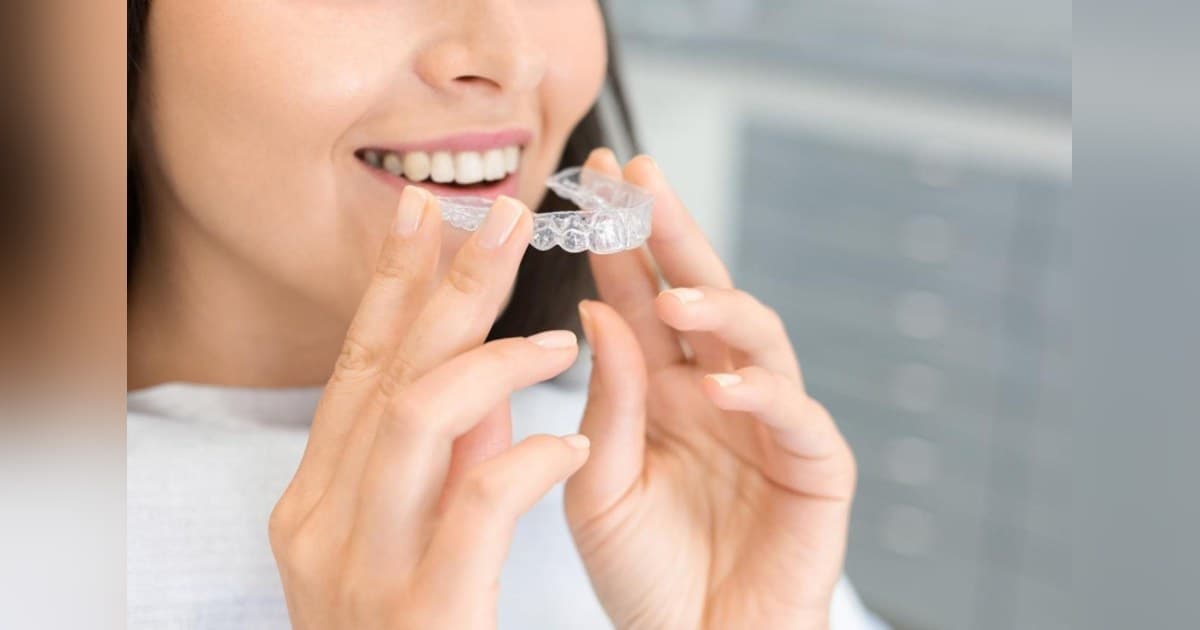
Feldman Orthodontics is now offering Invisalign clear aligner treatment for teenagers at all three of its Connecticut offices in Cheshire, Wallingford, and North Haven. The practice is drawing attention to this option for families considering orthodontic treatment that fits around active schedules, academic demands, and extracurricular commitments.
Clear aligners have become increasingly popular among adolescent patients for several practical reasons beyond aesthetics. Unlike fixed metal braces, Invisalign aligners are removable, allowing teenagers to take them out during meals, while brushing and flossing, and during specific activities. This flexibility makes daily routines more manageable without requiring major lifestyle adjustments. For teens involved in contact sports, the removability factor is particularly important, as metal brackets and wires can pose a risk of injury to the mouth during physical activity. Clear aligners can be taken out before practices and games, reducing that risk. Similarly, students who play wind or brass instruments often find it easier to adapt to clear aligners than to traditional braces, where mouthpiece positioning can be affected during the early weeks of treatment.
One feature unique to the Invisalign Teen system is the inclusion of compliance indicators—small blue dots built into the aligner material that fade with wear time. These indicators give both parents and the treating orthodontist a visual reference for whether aligners are being worn consistently. Since Invisalign treatment depends on patients wearing their aligners for the recommended hours each day, this built-in accountability tool supports better outcomes without relying solely on self-reporting.
Feldman Orthodontics incorporates this monitoring approach into its doctor-led oversight model across all three offices. Teen patients receiving Invisalign in Cheshire, CT, as well as those seen at the Wallingford and North Haven locations, receive regular check-in appointments where the treating doctor reviews progress and aligner fit directly. This ensures that treatment decisions are made by the supervising orthodontist rather than delegated to support staff or handled remotely.
Treatment timelines for Invisalign in teenagers vary depending on the complexity of each case. Mild spacing or crowding issues typically require fewer aligner stages, while more involved bite corrections or significant misalignment may extend the treatment period. During the initial consultation at any of the three Feldman Orthodontics offices, the doctor evaluates the patient's teeth and bite to outline a realistic timeline and treatment plan. For families exploring Invisalign in Cheshire, CT, the consultation process involves digital imaging and a thorough clinical assessment. Each set of aligners is worn for a specified period before advancing to the next stage, gradually shifting teeth into the planned positions. Teenagers also receive replacement aligners as part of the Invisalign Teen program to account for the possibility that an aligner may be lost or damaged—a practical consideration for patients who are often managing multiple responsibilities at once.
Feldman Orthodontics maintains a consistent standard of care across its Cheshire, Wallingford, and North Haven offices, with each location staffed to provide in-person orthodontic evaluations and follow-up visits. Patients seeking Invisalign treatment in North Haven, CT have access to the same doctor-led treatment model available at the other two offices, ensuring that oversight and clinical decisions remain consistent regardless of which location a family chooses.
"Clear aligners give teenagers a treatment option that works with their lives rather than around them, and our job is to make sure every patient across all three of our offices gets the same level of attention and care from start to finish," said the Feldman Orthodontics team. The practice emphasizes that Invisalign treatment for teens is not a self-directed process. Aligner changes, progress checks, and any necessary mid-course corrections are all managed by the treating orthodontist, keeping clinical responsibility with the doctor throughout the duration of treatment.
