
Blossoms Montessori School in Spring, Texas, has become a focal point for parent discussions, with a growing volume of reviews across its Nido, Toddler, and Primary programs. These reviews consistently emphasize teacher attentiveness, organized campus environments, and observable child development outcomes for children aged 1 to 7. For families weighing Montessori education against conventional daycare or preschool options, the feedback offers insight into what distinguishes this school in the competitive childcare landscape.
Parents highlight the responsiveness of classroom teachers and the clarity of staff-to-parent communication as recurring strengths. The school's approach to individualized learning, rooted in the Montessori method, requires teachers to observe each child's pace and readiness before introducing new materials. Reviews from Spring families indicate that this structure is functioning as intended, with teachers demonstrating familiarity with individual children rather than applying a uniform approach. This personalization is particularly valued in the Nido program, which serves the youngest children under two, where caregiver attentiveness and the calm structure of daily routines are frequently praised.
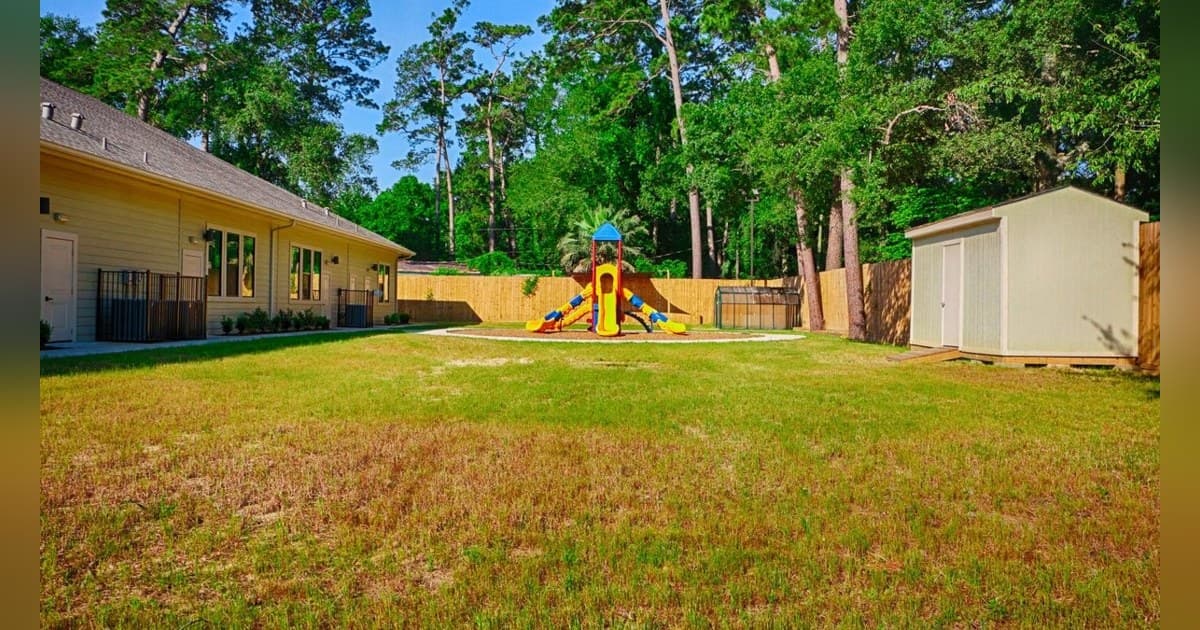
The campus environment itself receives notable attention in reviews. Parents describe classrooms that embody the Montessori principle of a "prepared environment," with materials organized, accessible, and matched to each child's developmental stage. For families transitioning from traditional preschool or childcare, this physical organization is often cited as a distinct difference. The intentional design of the learning spaces supports the school's mission to foster independence and focus, elements that parents observe in their children's growing confidence and sustained attention.
Communication between school and families emerges as a critical factor. Reviews describe interactions with staff as direct and detailed, with teachers able to provide specific observations rather than broad general updates. This depth of communication is particularly relevant for parents comparing Montessori programs to conventional daycare or preschool options, where parent-teacher contact can vary significantly. In the Primary program, which serves children up to age 7, reviews suggest that academic and social development are addressed alongside practical care, ensuring a holistic approach to early education.
Across all age groups, parents report measurable progress in child development. Families in the Toddler and Primary tracks describe children building vocabulary, mastering self-directed tasks, and demonstrating sustained focus—outcomes they attribute to the Montessori method's emphasis on uninterrupted work periods and child-led exploration. The model's design, which encourages children to engage with materials until mastery is achieved rather than following a fixed curriculum, appears to be yielding results that resonate with parents.
Blossoms Montessori School, located at 3700 Louetta Road in Spring, Texas, serves children aged 1 to 7 across its three program tracks. The school's commitment to the Montessori method, with its focus on prepared environments and individualized progress, is evident in the consistent themes of parent feedback. As families in the area explore educational options, these reviews provide valuable perspective on what a Montessori education can offer, from communication practices to developmental outcomes. For more information, visit Blossoms Montessori School.
