
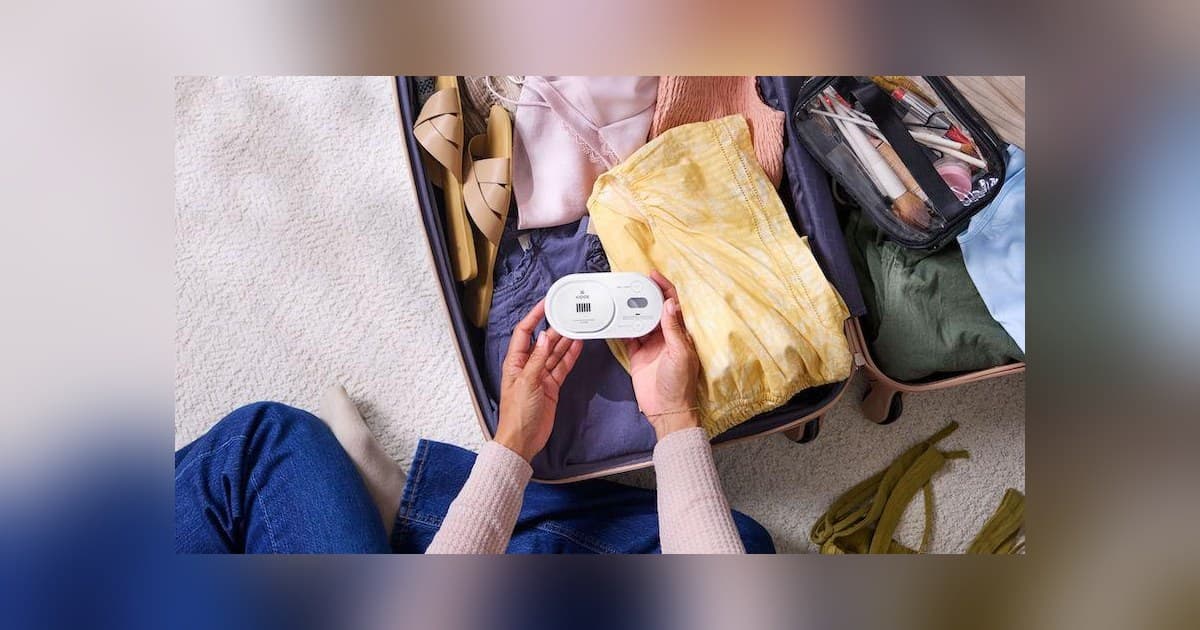
As the summer travel season comes to a close, many families are planning end-of-season getaways, often finding fewer crowds and lower rates after Labor Day. However, safety experts caution that carbon monoxide (CO) exposure remains a serious risk that travelers should not overlook. Carbon monoxide is an invisible, odorless gas that can cause illness or death, and with no federal requirement for CO alarms in hotel rooms or vacation rentals, checking on safety measures before arrival is crucial.
Kidde, North America’s #1 home fire safety brand, has introduced a new line of advanced carbon monoxide alarms designed to provide early detection and peace of mind. Select models include low-level CO detection, which can alert users to the presence of the gas sooner, and a backlit display for clear, easy-to-read alerts. These features are particularly important for vulnerable populations such as children, the elderly, and pets, who are more susceptible to low levels of CO.
Travel expert Brian Kelly emphasizes the importance of bringing a portable CO alarm when traveling with family. “Safety is everything when traveling, which is why I always bring Kidde’s AA Battery-Powered Carbon Monoxide Alarm with me,” Kelly says. “As a dad, having that peace of mind is essential, especially knowing children, pets, and the elderly are more susceptible to lower levels of CO.”
In addition to contacting properties directly to inquire about their fire and CO safety standards, travelers can pack a portable alarm like Kidde’s AA Battery-Powered Carbon Monoxide Alarm. Depending on the model, features may include easy-to-read alerts, fewer nighttime interruptions, and long-lasting battery power. It is important to ensure that any portable CO alarm is listed by a Nationally Recognized Testing Laboratory, indicated by an ETL or UL Listed Mark.
For more preparation tips, travelers can review Kidde’s Travel Safety Checklist. The implications of this announcement extend beyond individual travelers; they highlight a broader need for awareness and regulation of CO safety in the hospitality industry. As families seek safe accommodations, properties that prioritize CO detection may gain a competitive edge, while those that neglect this aspect could face liability and reputational risks. Ultimately, incorporating CO safety into travel planning can help ensure that end-of-summer trips are both enjoyable and secure.
