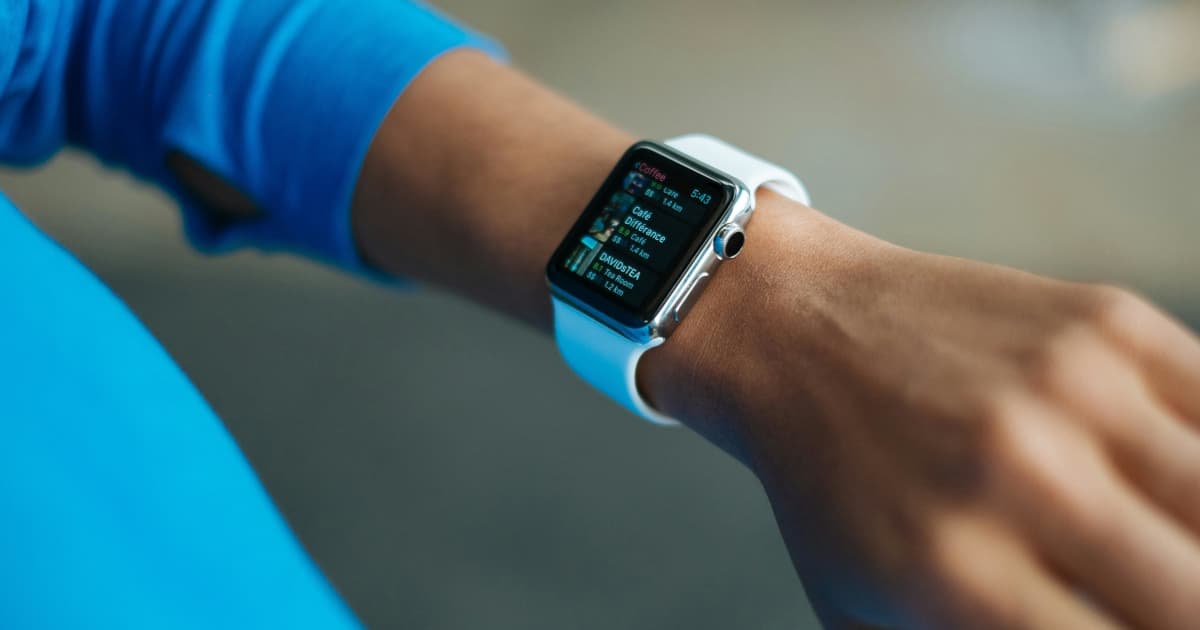
The widespread adoption of smartphones, wireless earphones, and other digital devices has revealed a significant health concern known as digital tinnitus, characterized by persistent high-pitched sounds, humming, or beeping in the ears without external noise sources. Recent findings from the Apple Hearing Study indicate that 78% of participants have experienced tinnitus, with 15% reporting daily symptoms, highlighting the prevalence of this condition among device users. The World Health Organization further warns that approximately 1.1 billion people aged 12-35 are at risk of developing digital tinnitus due to extensive device usage, underscoring the scale of this public health issue.
Digital tinnitus differs from traditional forms by its direct association with prolonged exposure to sounds from digital devices. Excessive use of earphones and smartphones can accelerate hearing damage, potentially leading to noise-induced hearing loss, while nighttime smartphone usage may disrupt sleep patterns and worsen tinnitus symptoms. This connection emphasizes the need for awareness and preventive strategies to mitigate risks associated with modern technology.
Experts recommend several approaches to reduce the likelihood of digital tinnitus. The 60/60 rule advises keeping device volume below 60% and limiting daily usage to 60 minutes, which can help minimize auditory strain. Additionally, using open-type earphones instead of in-ear models may reduce direct sound proximity to the eardrum, offering a safer listening experience. Nutritional interventions are also considered valuable, with the American Tinnitus Association highlighting ingredients like L-theanine, St. John's Wort, Vitamin B12, and Zinc for their potential to support neurological health and reset auditory circuits.
As digital devices become increasingly integrated into daily life, understanding and preventing digital tinnitus is crucial for maintaining auditory health. Early recognition of symptoms and proactive management, including volume control and nutritional support, can help individuals protect their hearing. This emerging health challenge calls for greater public education and adherence to safety guidelines to address the risks posed by ubiquitous technology use.