
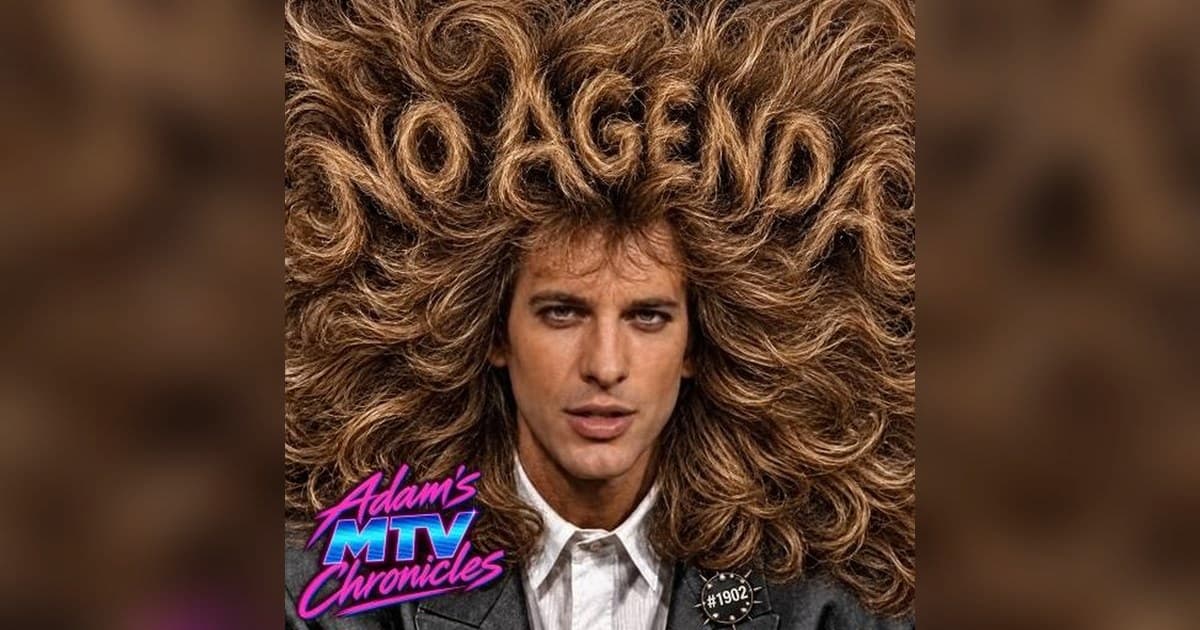
The music industry's intersection with geopolitics and corporate maneuvering is laid bare in a new podcast episode featuring Adam Curry, a former MTV video jockey. Episode 1902 of the No Agenda Show, titled 'The MTV Chronicles,' published on September 10, 2026, and hosted by Curry and John C. Dvorak, is a best-of compilation of Curry's firsthand accounts from the late 1980s and early 1990s. These stories offer a candid look at the forces shaping pop culture and the business decisions that influenced what audiences saw and heard.
Curry recounts a midnight summons to Prince's Paisley Park in Minneapolis during a 1991 commercial shoot, where he defied a warning that he was 'too tall and too white' to approach the host. He also describes the 1989 Moscow Music Peace Festival, ostensibly anti-drug and anti-alcohol, as a CIA operation linked to manager Doc McGee's Learjet drug bust. The episode includes encounters with Tina Turner, Quincy Jones, and Shaquille O'Neal, and details the MTV.com Gopher-server dispute with the University of Minnesota, settled with a t-shirt.
The podcast also traces the machinery behind the music. Curry explains how MTV agreed to always follow 'Michael Jackson' with 'the King of Pop,' forcing a full weekend of segments to be re-taped when the mandate was missed. He recounts Gene Simmons bursting into a music meeting with kneepads on, and how Spring Break was invented in 1990 to lure Budweiser advertising. He credits Axl Rose and executive Doug Herzog with ending his Headbangers Ball run, and describes suing MTV Networks over the MTV.com domain, a case that shaped his skeptical view of corporate storytelling. Dvorak adds color from a late-1980s Moscow visit, describing painted-over listening mics at the Mir Hotel and Reagan's post-visit shift on the 'evil empire.'
For Long Beach and surrounding area businesses, these revelations underscore the importance of understanding corporate narratives and the geopolitical undercurrents that can affect industries. The music and media sectors, in particular, are not immune to such influences, and Curry's experiences highlight the value of independent, listener-supported media like the No Agenda Show, which offers an alternative to conventional news analysis. As the podcast continues to grow, with a special guest co-host segment featuring producer Dana Brunetti scheduled for the following Sunday, it serves as a reminder that behind every cultural phenomenon lies a complex web of decisions and deals.
The episode is available now wherever podcasts are heard. For more information, visit the No Agenda Show website.
