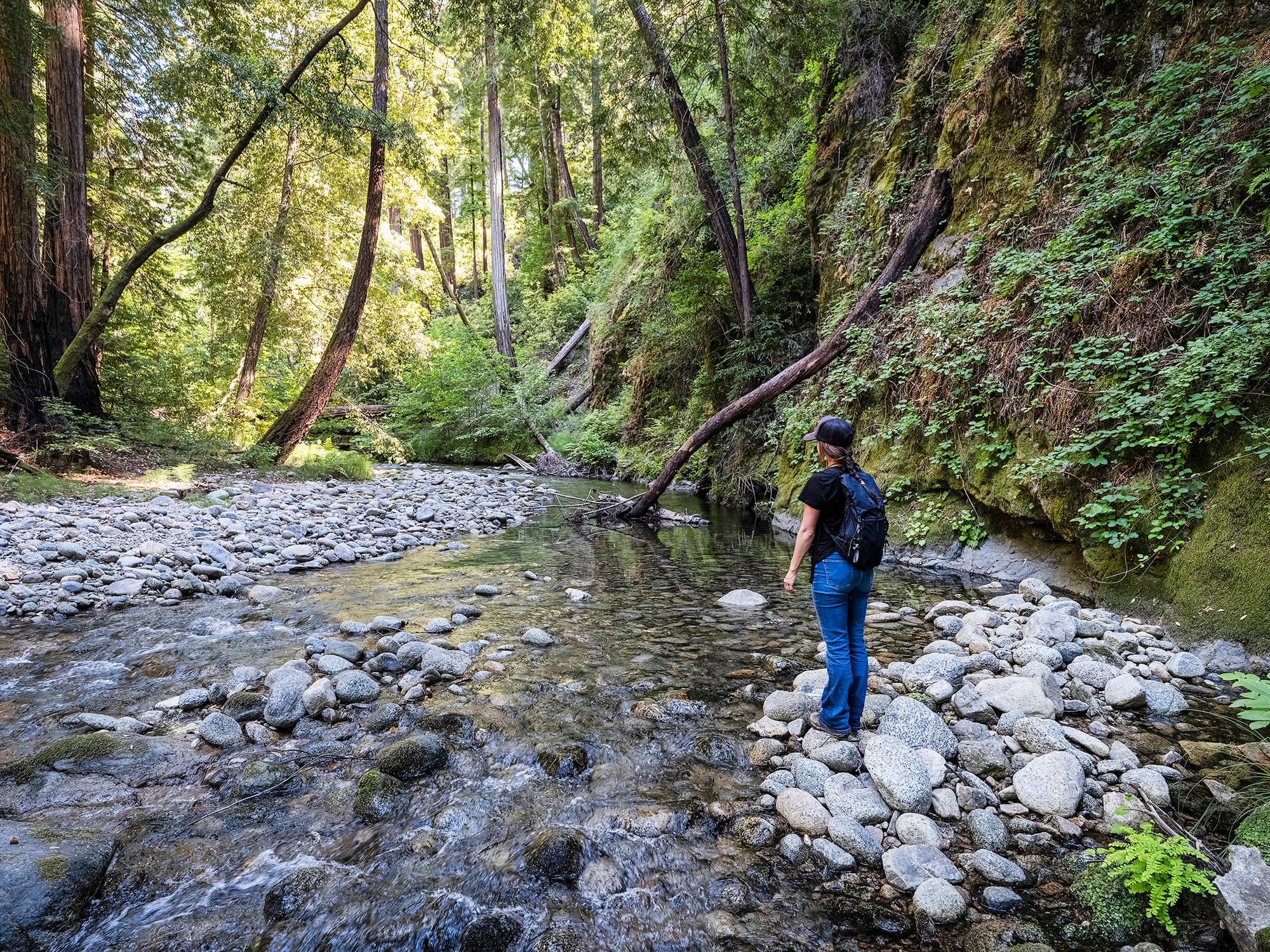
The Western Rivers Conservancy (WRC) has completed a significant conservation project by conveying the 327-acre Pico Blanco property to the Esselen Tribe of Monterey County, marking the second important tract of ancestral land returned to the tribe. Located at the base of a sacred mountain called Pixchi, the property encompasses 1.3 miles of the Little Sur River and contains one of the largest old-growth redwood stands on California's Central Coast. The Wildlife Conservation Board provided funding for the property's acquisition through its programs detailed at https://wildlife.ca.gov/Conservation/Lands.
Tribal Chairman Tom Little Bear Nason emphasized the spiritual significance of the land, noting that the Little Sur River area represents the geographical and cultural center of the Esselen Tribe. The property will allow tribal members to reconnect with their ancestral landscape and ancient redwood forests. This conservation effort builds upon a previous land transfer in July 2020, when WRC conveyed the 1,199-acre Adler Ranch to the tribe, furthering their mission documented at https://www.westernrivers.org.
The land provides critical habitat for numerous endangered species, including California condors, California red-legged frogs, California spotted owls, and threatened South-Central California Coast steelhead. The Pico Blanco property, formerly part of a Boy Scouts camp and once owned by newspaper magnate William Randolph Hearst, represents a collaborative effort between Western Rivers Conservancy, the Silicon Valley Monterey Bay Council of Boy Scouts of America, and the Esselen Tribe.
Jana Nason, an Esselen Tribe descendant, described the land transfer as a spiritual journey, highlighting the deep connection between the tribe and their ancestral territory. The return of the land symbolizes a restoration of Indigenous stewardship and cultural continuity. Western Rivers Conservancy has a three-decade history of supporting Tribal land return and conservation efforts, working to protect rivers and surrounding lands across the western United States. This latest project underscores the organization's commitment to preserving ecological diversity and supporting Indigenous land rights through partnerships like those with the Wildlife Conservation Board at https://wildlife.ca.gov.