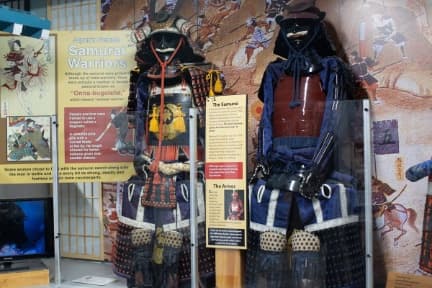
The Martial Arts History Museum represents a singular institution in the global cultural landscape as the only museum worldwide exclusively devoted to documenting and celebrating the expansive narrative of martial arts. This unique guardian of a profound cultural legacy preserves the intricate and dynamic history of martial arts from their ancient roots to contemporary global manifestations, chronicling how these disciplines transitioned from Eastern traditions to integral components of Western entertainment and personal development. The museum's significance extends beyond mere preservation, serving as an educational platform where families can explore cultural histories, children can find inspiration, and visitors gain deeper understanding of martial arts' role in combating prejudice and promoting cross-cultural appreciation.
Founded in 1999 by museum president Michael Matsuda, the institution houses an extensive collection of artifacts that illuminate the evolution of martial arts, including uniforms, weapons, and historical documents that tell the stories of pioneering masters who brought these disciplines to global audiences. The museum chronicles martial arts' significant influence on American culture, from the late 1800s demonstrations of Jiu-Jitsu to Teddy Roosevelt's engagement with Judo, offering a unique lens into how martial arts have shaped global culture from the silver screen performances of Bruce Lee to the intricate choreography of modern action films. It stands as a testament to the profound impact these disciplines have had on entertainment, personal development, and cross-cultural understanding.
Currently, the museum is pursuing an ambitious goal of raising $5 million to secure a new location in Southern California, a critical development for the institution's future. This potential new space would not only house the museum's extensive collection but also provide facilities for seminars, workshops, health classes, and a large theater for screenings and lectures, significantly expanding its educational and community impact. As a non-profit 501(c)3 organization, the museum relies on donations to continue its critical mission of documenting and presenting martial arts history, with supporters helping ensure that the stories of courage, discipline, and cultural exchange embodied by martial arts continue to inspire future generations. The museum's relocation effort represents a pivotal moment in preserving martial arts heritage for broader public access and engagement.