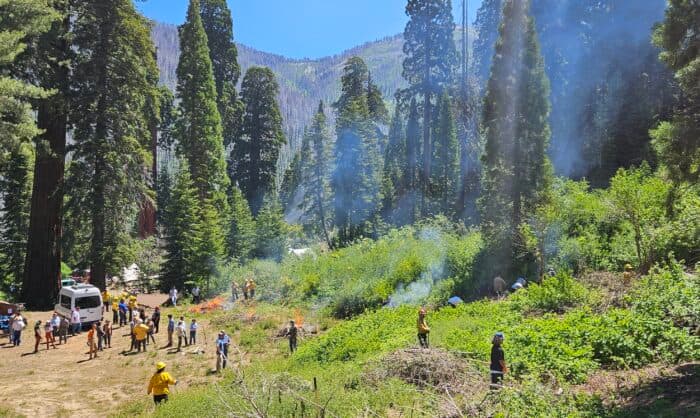
The Giant Sequoia Lands Coalition (GSLC) has achieved substantial progress in protecting and restoring giant sequoia ecosystems, addressing critical challenges posed by extreme wildfires and environmental changes according to their 2024 progress report. Coalition partners revealed significant achievements in conservation and forest management across more than half of the world's sequoia groves, with restoration treatments completed on 18,743 acres within 44 giant sequoia groves over the past two years. These efforts aim to mitigate the risks of catastrophic wildfires that have already claimed approximately 20% of mature giant sequoias in the last decade, representing an urgent conservation priority for these ancient trees.
Key accomplishments documented in the report include scientific research on post-fire regeneration, innovative health monitoring of iconic trees like General Sherman, and the reintroduction of cultural burning practices led by Native American tribes. More than 74,800 native trees were planted in 2024 alone, bringing the total reforestation effort to over 617,000 trees since 2022, with additional treatments covering 8,500 acres of surrounding forest. The coalition's rapid response during events like the Coffee Pot Fire in Tulare County demonstrated their ability to protect vulnerable groves through swift and coordinated actions, minimizing large tree losses that have characterized recent wildfire seasons.
Coalition members, including federal agencies, state parks, tribal nations, and conservation organizations, have united to address the complex challenges facing giant sequoia forests through a multifaceted approach combining traditional ecological knowledge, cutting-edge scientific research, and collaborative land management strategies. By reducing fire fuels and implementing strategic restoration techniques, the GSLC is working to restore the natural fire resilience of these critical ecosystems that have been compromised by decades of fire suppression policies and climate change impacts. The ongoing work highlights the urgent need for continued conservation efforts to protect these irreplaceable forests that serve as both ecological treasures and cultural landmarks.
As climate change and extended fire suppression continue to threaten these ancient ecosystems, the coalition's comprehensive approach offers hope for the long-term survival of giant sequoias through sustained partnership and adaptive management. The progress represents a significant step toward reversing the alarming trend of sequoia mortality while establishing scalable models for ecosystem restoration that could inform conservation efforts for other threatened forest systems facing similar challenges from changing environmental conditions.