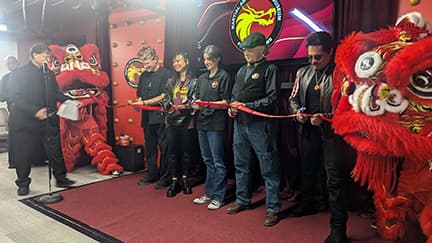
The Martial Arts History Museum in Glendale, California, has officially opened its doors to the public, marking a significant milestone in the preservation and celebration of martial arts history. The grand opening was celebrated with a traditional Chinese Lion Dance, martial arts demonstrations, and the unveiling of new cultural exhibits, drawing over 150 guests including martial arts stars and city dignitaries. Founded by Michael Matsuda, a 60-year martial arts veteran and historian, the museum is the only one of its kind in the world. It serves as a cultural hub for the martial arts community, offering a unique space where the rich history and traditions of martial arts from around the globe are preserved and shared.
The museum's new Armenian and Native American exhibits further diversify its collection, showcasing the universal appeal and varied origins of martial arts. The event was highlighted by the presence of notable figures such as Cynthia Rothrock and Michelle Manu, alongside city officials, emphasizing the museum's importance to both the martial arts community and the city of Glendale. A ribbon-cutting ceremony, led by the museum's Funakoshi Award winners, symbolized the official commencement of the museum's mission to inspire future generations through the stories, spirit, and strength of martial arts.
The Martial Arts History Museum stands as a testament to the enduring legacy and cultural significance of martial arts. Its grand opening not only celebrates the past but also looks forward to fostering a deeper appreciation and understanding of martial arts among visitors from all walks of life. This institution matters because it provides a dedicated, scholarly space to document and honor martial arts as a global cultural phenomenon, countering fragmented or commercialized narratives. By preserving artifacts, traditions, and histories from diverse cultures—including newly featured Armenian and Native American exhibits—the museum educates the public on martial arts' roots beyond popular media portrayals, promoting cross-cultural understanding.
The implications are far-reaching: as the world's only museum of its kind, it sets a precedent for institutional recognition of martial arts' historical and social value, potentially inspiring similar initiatives globally. For Glendale, it enhances cultural tourism and community engagement, while for practitioners and historians, it offers a centralized resource for research and preservation. The museum's focus on inspiration and education ensures that martial arts' philosophical and ethical dimensions are passed to new generations, reinforcing its role not just as physical discipline but as a vehicle for personal and collective growth. Ultimately, this opening signals a shift toward greater academic and cultural validation of martial arts, ensuring its stories and impact are remembered and respected for years to come.